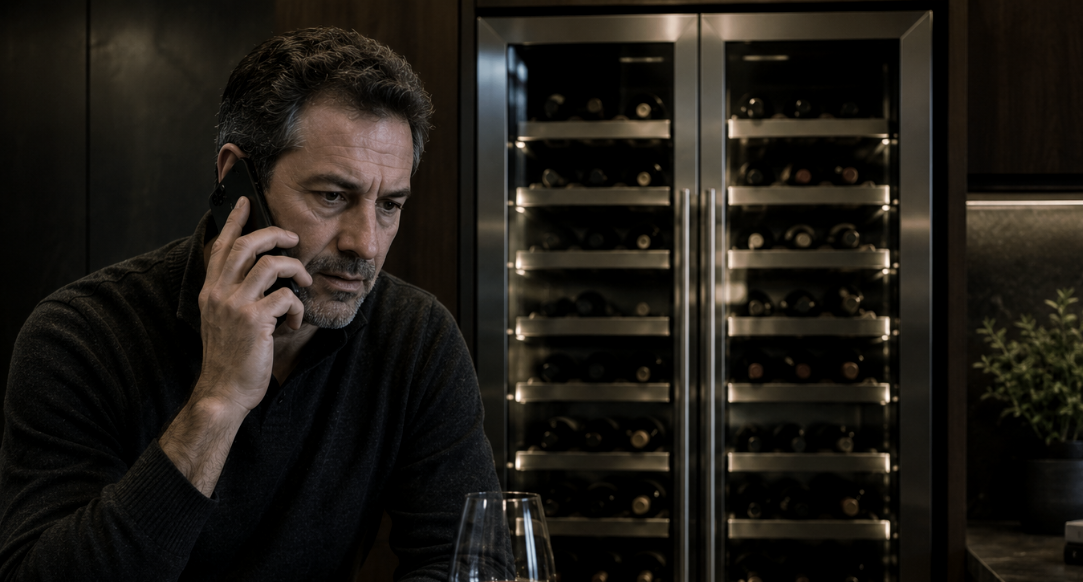
Wine refrigeration systems in Bay Harbor Islands are often affected by quiet low-density coastal living, smaller luxury residential layouts, and preservation systems operating inside highly controlled environments where subtle instability becomes noticeable quickly.
Many systems continue operating while:
- bottle temperatures feel slightly inconsistent
- cooling response becomes less precise
- preservation stability changes gradually
- refrigeration behavior feels less predictable over time
We provide professional Wine Cooler Repair in Bay Harbor Islands, FL focused on restoring stable preservation conditions, balanced cooling behavior, and reliable long-term wine storage performance inside luxury island residential environments.
Why Bay Harbor Islands Refrigeration Systems Behave Differently
Bay Harbor Islands refrigeration systems typically operate inside quieter residential environments where even small preservation changes become noticeable early.
Most properties here involve:
- low-density luxury residential buildings
- quieter indoor environments
- modern waterfront residences
- compact luxury kitchen layouts
- built-in preservation systems
- long-term wine storage setups
- smaller island residential footprints
- highly controlled indoor conditions
Unlike Sunny Isles or Miami Beach, the issue is not heavy tourism or large-scale coastal exposure.
Unlike Aventura, the issue is not continuous high-occupancy tower operation.
In Bay Harbor Islands, refrigeration systems are more often affected by precision instability inside calm, highly controlled residential environments where subtle cooling drift stands out quickly.
That creates a very different preservation pattern.
Bay Harbor Islands Conditions That Affect Wine Refrigeration
| Bay Harbor Islands Residential Factor | Refrigeration Effect | Priority |
|---|---|---|
| Quiet residential interiors | Makes subtle instability easier to notice | High |
| Compact luxury layouts | Reduce airflow tolerance | Medium |
| Built-in preservation systems | Increase ventilation sensitivity | Medium |
| Waterfront island humidity | Raises long-term moisture exposure | Medium |
| Highly controlled indoor conditions | Reveal small calibration drift earlier | High |
| Smaller residential footprints | Amplify environmental variation faster | Medium |
| Long-term preservation storage | Requires stable recovery behavior | High |
| Continuous background operation | Gradually weakens cooling consistency | Medium |
Many Bay Harbor Islands systems continue cooling while preservation precision slowly becomes less dependable beneath normal daily operation.
What Homeowners Usually Notice First
| What Bay Harbor Islands Homeowners Notice | What It Often Indicates | Priority |
|---|---|---|
| Bottle temperatures feel slightly different | Early calibration or airflow drift | High |
| Cooling recovery feels less precise | Gradual stabilization imbalance | Medium |
| Built-in wine storage behaves inconsistently | Ventilation or circulation decline | Medium |
| Refrigeration sounds more noticeable at night | Long-cycle runtime strain | Medium |
| Cabinet feels stable one day and different the next | Subtle recovery inconsistency | Medium |
| Display appears accurate but wine feels warmer | Slow sensor or airflow drift | High |
| Cooling cycles seem longer than before | Gradual operational fatigue | Medium |
| Preservation conditions feel less predictable | Long-term cooling instability | High |
In Bay Harbor Islands homes, refrigeration systems often remain functional while small preservation inconsistencies gradually become easier to notice inside quiet residential environments.
Controlled Residential Environments Reveal Instability Faster
Bay Harbor Islands refrigeration systems are affected less by aggressive environmental extremes and more by subtle long-term precision drift inside highly controlled residential spaces.
Most systems here operate under:
- quiet indoor environments
- stable residential occupancy
- long-term preservation demand
- compact built-in layouts
- gradual airflow variation
- low-noise residential conditions
- continuous preservation operation
The issue is often not dramatic cooling failure.
The issue is that refrigeration systems slowly lose precision while remaining operational enough to avoid immediate shutdown.
Over time, this may create:
- subtle bottle-temperature inconsistency
- slower recovery stabilization
- uneven cooling balance
- longer operational cycles
- preservation unpredictability
- gradual airflow decline
Many systems continue functioning while long-term storage precision becomes harder to trust.
Real Wine Refrigeration Problems We Repair
Wine Storage Feels Slightly Less Stable
This is one of the most common Bay Harbor Islands refrigeration complaints.
Most often related to:
- gradual sensor drift
- declining airflow consistency
- subtle circulation imbalance
- long-term recovery fatigue
- built-in ventilation restriction
- stabilization inconsistency
Many systems still cool normally while preservation precision slowly weakens.
Built-In Wine Cooler Feels Inconsistent
This usually develops gradually over time.
Typical drivers include:
- restricted ventilation
- compact cabinet airflow limitations
- declining recovery balance
- gradual circulation fatigue
- operational wear accumulation
- long-cycle stabilization drift
The issue is often not complete failure.
The issue is whether the system can still maintain precise long-term preservation behavior.
Display Looks Normal but Bottle Conditions Feel Different
This commonly appears in quieter luxury environments where small changes are noticed faster.
Common contributing factors include:
- calibration drift
- airflow imbalance
- unstable shelf equalization
- gradual sensor inconsistency
- delayed recovery response
- hidden preservation instability
Many systems continue appearing normal while actual bottle conditions slowly change beneath everyday operation.
Cooling Cycles Become Longer Over Time
Longer cooling cycles usually point to gradual operational fatigue rather than sudden breakdown.
Common causes include:
- declining heat rejection
- gradual airflow restriction
- circulation inefficiency
- recovery-cycle imbalance
- prolonged runtime stress
- environmental moisture exposure
Reliable preservation depends on stable long-term recovery consistency — not simply whether the cabinet still cools.
Bay Harbor Islands ZIP Codes & Residential Coverage
Primary Bay Harbor Islands Coverage
- 33154
Residential Areas Commonly Serviced
- waterfront luxury residences
- island residential communities
- modern condo properties
- built-in wine refrigeration environments
- compact luxury kitchen layouts
- quiet preservation-focused homes
- long-term wine storage systems
Nearby Routing Availability
- Bal Harbour
- Surfside
- Indian Creek vicinity
- nearby North Bay coastal residential routes
Scheduling flexibility may vary depending on routing conditions and property access.
Wine Refrigeration Services Available in Bay Harbor Islands
Residential Wine Refrigeration Systems
- Commercial Wine Cooler Repair
- Wine Cellar Cooling System Repair
- Built-In Wine Cooler Repair
- Single & Dual Zone Wine Cooler Repair
- Thermoelectric & Compressor Wine Cooler Repair
- Freestanding Wine Cabinet Repair
- Oversized Wine Cooler Repair
Additional Cooling & Preservation Support
- Beverage Cooler Repair
- Ice Maker Repair
- Integrated Refrigeration Diagnostics
- Residential Preservation Cooling Systems
Why Bay Harbor Islands Homeowners Choose Us
Bay Harbor Islands refrigeration systems often require diagnosis focused on subtle preservation instability and long-term cooling precision inside quiet luxury residential environments.
That includes:
- evaluating gradual calibration drift
- checking built-in airflow consistency
- verifying recovery stability over long cycles
- testing preservation behavior under real operating conditions
- identifying subtle instability before major failure develops
- careful work around luxury residential interiors
- confirming dependable long-term preservation performance before completion
Reliable wine preservation should feel stable and predictable — not gradually drift beneath otherwise quiet system operation.
FAQ — Wine Cooler Repair in Bay Harbor Islands, FL
Q: Why do bottle temperatures feel slightly inconsistent?
A: Gradual airflow or calibration drift often affects preservation precision before obvious cooling failure appears.
Q: Why does my wine cooler still run but feel less stable?
A: Many Bay Harbor Islands systems continue operating while long-term recovery consistency slowly weakens.
Q: Why are small refrigeration changes easier to notice here?
A: Quiet indoor environments and highly controlled preservation spaces make subtle instability more noticeable earlier.
Q: Why does my built-in wine cooler behave inconsistently?
A: Compact layouts and ventilation sensitivity often affect long-term cooling balance inside integrated cabinetry.
Q: Why does the display look correct while the wine feels warmer?
A: Sensor drift and gradual airflow imbalance may affect actual bottle conditions before visible alarms appear.
Q: Why are cooling cycles becoming longer?
A: Gradual operational fatigue and declining airflow efficiency commonly extend recovery timing over time.
Q: Can waterfront humidity affect wine refrigeration systems?
A: Yes. Long-term moisture exposure may gradually affect airflow, electrical components, and recovery behavior.
Q: Do quieter residential environments change how refrigeration problems appear?
A: Absolutely. Subtle instability often becomes noticeable much earlier inside calm, low-noise preservation environments.