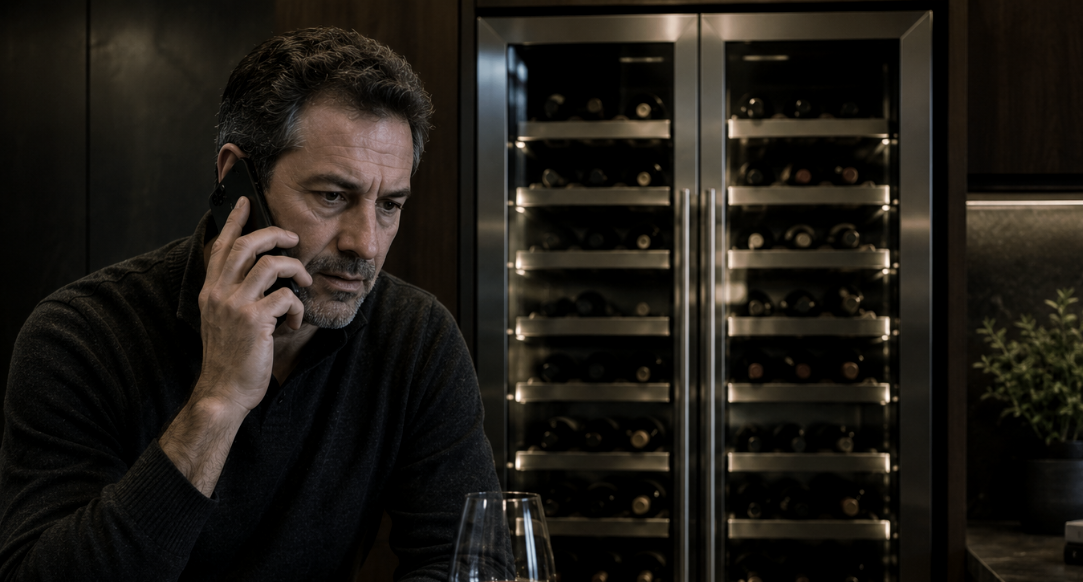
Wine Cooler Slowly Losing Cooling Stability?
If your Beverage-Air wine refrigerator no longer stays consistently cold, bottles feel warmer later in service, or the cabinet runs longer than before, the system may already be losing cooling balance.
Miami Wine Cooler Service provides professional Beverage-Air wine refrigerator repair in Miami for commercial wine coolers, under-bar refrigeration, hospitality beverage storage, and wine-by-the-glass environments.
Unlike sudden refrigeration failures, Beverage-Air cooling problems often develop gradually and become harder to notice early.
Why Beverage-Air Systems Feel Different
Beverage-Air systems are built as practical workhorse refrigeration units for everyday hospitality service.
They are designed for:
- bars and lounges
- restaurant beverage programs
- under-bar refrigeration
- wine-by-the-glass service
- hospitality bottle storage
- commercial beverage cooling
Unlike heavier-duty refrigeration platforms built for extreme thermal abuse, Beverage-Air systems are less tolerant to airflow imbalance, dirty condensers, and long-term maintenance neglect.
That means cooling performance often weakens gradually instead of failing suddenly.
Beverage-Air Wine Refrigeration Systems We Commonly Service
Common Beverage-Air Wine Platforms
- Beverage-Air wine refrigerators
- under-bar wine coolers
- glass-door wine refrigeration
- dual-zone wine coolers
- hospitality beverage refrigeration
- commercial wine storage systems
- built-in wine refrigerators
- wine-by-the-glass cooling systems
Common Hospitality Installations
Many Beverage-Air systems are installed in:
- under-bar service stations
- front-of-house beverage areas
- restaurant wine service environments
- lounge beverage counters
- hospitality bottle-storage spaces
If the exact model number is unavailable, a photo of the control panel or data tag usually helps identify the system correctly.
What Operators Usually Notice First
Most Beverage-Air wine refrigerators continue cooling while overall performance slowly becomes less stable.
Early Warning Signs
- bottles not as cold during evening service
- cabinet recovering slower after openings
- temperatures drifting between shelves
- wine cooler running longer than normal
- cooling weaker during busy periods
- condensation returning near glass doors
- fan noise becoming more noticeable
- under-bar refrigeration less consistent
By the time these signs appear, the system is already struggling to maintain consistent cooling during service.
What Causes Beverage-Air Cooling Drift
Beverage-Air wine refrigerators depend heavily on stable condenser performance and balanced internal cooling response.
As heat removal efficiency weakens, the cabinet gradually falls behind under active hospitality demand.
Common Signs
- uneven bottle temperatures
- slower cooling recovery
- temperatures changing later in operation
- warmer upper shelves
- unstable cooling during peak hours
Most Common Causes
| Failure Path | Typical Result |
|---|---|
| dirty condenser coils | gradual cooling decline |
| restricted ventilation | trapped heat buildup |
| weak evaporator circulation | uneven bottle temperatures |
| excessive runtime stress | unstable cooling behavior |
| sensor drift | inaccurate temperature readings |
Why It Matters
Unstable wine temperatures during service can affect beverage consistency, slow operations, and reduce guest experience during busy hospitality periods.
Proper Repair Should Restore
- stable bottle temperatures
- balanced cooling response
- faster recovery after openings
- reliable service-hour performance
Beverage-Air wine refrigerator repair in Miami often involves correcting gradual cooling imbalance before the system falls outside reliable service range.
Why Under-Bar Installations Create More Problems
Many Beverage-Air wine refrigerators operate in tight hospitality installations where ventilation becomes restricted over time.
Warm service environments, limited airflow space, and continuous operation create slow thermal buildup throughout the day.
What Operators Usually Notice
- cabinet warmer near lower vents
- longer compressor cycles
- cooling weaker during busy nights
- temperatures drifting later in service
- refrigerator staying active almost continuously
These issues often become much more noticeable during Miami summer conditions.
Why Condenser Neglect Quietly Reduces Cooling Performance
Condenser condition is one of the biggest long-term reliability factors on Beverage-Air refrigeration.
When condenser coils collect grease, dust, or debris, the system slowly loses its ability to remove heat efficiently.
That can lead to:
- weaker bottle cooling
- unstable cabinet temperatures
- longer runtime cycles
- compressor strain
- faster internal wear
In many hospitality environments, cooling performance declines gradually long before complete failure happens.
Controls, Fans & Cooling Response Problems
Modern Beverage-Air wine refrigerators rely on electronic cooling coordination and stable circulation behavior.
Common Fault Areas
- thermistor instability
- circulation fan weakness
- evaporator sensor faults
- delayed cooling response
- digital-control instability
- intermittent display behavior
What Operators Often Notice
- displayed temperatures not matching bottle temperature
- uneven cooling between shelves
- controls reacting unpredictably
- unstable recovery after openings
- cooling response changing during busy periods
Small cooling-response problems can become very noticeable in active beverage-service environments.
Why Miami Conditions Push Beverage-Air Systems Harder
| Operating Condition | Why It Creates Problems |
|---|---|
| warm hospitality spaces | increase thermal load |
| restricted under-bar ventilation | traps heat around the system |
| repeated bottle access | increases recovery demand |
| high evening usage | increases runtime stress |
| Miami humidity | reduces cooling efficiency |
Commercial wine refrigeration systems depend heavily on stable heat removal and consistent cooling recovery.
What Proper Beverage-Air Wine Refrigerator Repair Should Verify
| System Area | What Should Be Confirmed |
|---|---|
| bottle temperatures | stable across shelves |
| condenser condition | proper heat removal |
| cabinet circulation | balanced cooling response |
| recovery speed | normal after openings |
| controls | accurate cooling behavior |
| compressor operation | stable commercial performance |
A Beverage-Air wine cooler should not simply cool again — it should maintain reliable bottle temperatures throughout active hospitality operation.
Why Hospitality Operators Choose Miami Wine Cooler Service
- experience with commercial wine refrigeration systems
- understanding of under-bar cooling environments
- expertise with condenser and circulation diagnostics
- minimal disruption during service hours
- diagnosis before unnecessary part replacement
- cooling verification before completion
FAQ — Beverage-Air Wine Refrigerator Repair in Miami
Q: Why is my Beverage-Air wine cooler not staying consistently cold?
A: Most often because the system is no longer removing heat efficiently, especially under continuous service conditions.
Q: Why do temperatures drift later in the evening?
A: Extended operation and gradual heat buildup can reduce cooling consistency during active hospitality use.
Q: Why is the wine refrigerator running longer than before?
A: Usually because cooling efficiency has slowly weakened due to condenser contamination or restricted ventilation.
Q: Why are upper shelves warmer than lower shelves?
A: That often points to weak internal circulation or uneven cabinet cooling response.
Q: Why does the system struggle more in under-bar installations?
A: Under-bar refrigeration operates in tighter spaces where heat buildup becomes harder to manage over time.
Q: Are Beverage-Air systems sensitive to maintenance neglect?
A: Yes. Beverage-Air systems usually lose cooling performance gradually when airflow and condenser maintenance are ignored.
Miami Areas We Serve
We provide built-in wine cooler repair throughout Miami and surrounding luxury residential and hospitality areas.