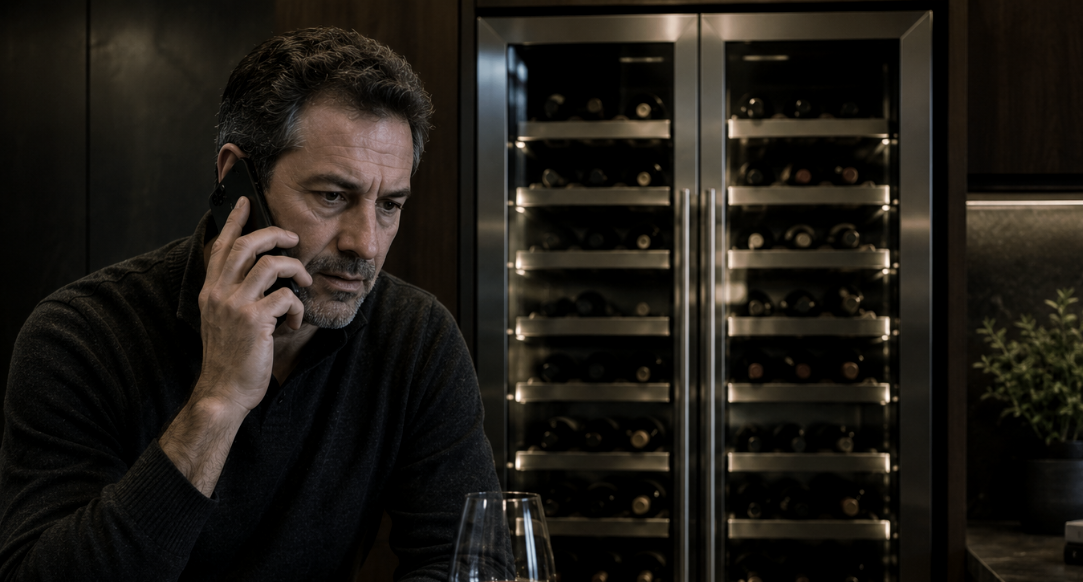
Wine refrigeration systems in Bal Harbour often begin showing subtle preservation instability before obvious cooling failure appears.
Quiet luxury interiors, oceanfront humidity, glass-heavy condo layouts, and long coastal operating cycles place continuous pressure on refrigeration systems throughout the year.
We provide professional Wine Cooler Repair in Bal Harbour, FL focused on restoring stable preservation conditions, accurate cooling behavior, and dependable long-term wine storage performance.
Why Bal Harbour Wine Refrigeration Behaves Differently
Bal Harbour properties create a refrigeration environment that feels very different from standard residential kitchens.
Many wine refrigeration systems here operate inside:
- luxury condo towers
- quiet open-concept interiors
- integrated designer cabinetry
- oceanfront residences
- glass-heavy living spaces
- entertainment-focused layouts
- secondary wine-storage environments
- seasonal luxury properties
Unlike many inland properties, refrigeration systems in Bal Harbour are often expected to remain visually discreet, acoustically quiet, and environmentally stable at all times.
That changes both how problems develop and how homeowners notice them.
How Bal Harbour Conditions Affect Wine Refrigeration Over Time
| Environmental Factor in Bal Harbour Properties | How It Affects Wine Refrigeration | Impact Level |
|---|---|---|
| Quiet luxury interiors | Makes compressor vibration and airflow noise more noticeable | High |
| Oceanfront humidity exposure | Increases internal moisture instability | High |
| Salt-heavy coastal air | Accelerates wear around electrical and metal components | High |
| Glass-heavy condo layouts | Raises daytime thermal gain inside living areas | High |
| Integrated cabinetry systems | Reduces ventilation around refrigeration platforms | Medium |
| Continuous daytime cooling cycles | Increases long-term compressor workload | High |
| Seasonal occupancy patterns | Allows hidden instability to develop gradually | Medium |
| Entertainment-focused usage | Creates repeated recovery stress during gatherings | Medium |
Many systems in Bal Harbour continue operating while:
- cooling recovery becomes slower
- bottle temperatures drift slightly
- refrigeration noise becomes more noticeable
- preservation conditions feel less stable during daytime hours
This often develops long before complete cooling failure appears.
Common Bal Harbour Service Areas & Coastal Routes
Wine refrigeration service in Bal Harbour commonly includes luxury residential properties throughout the 33154 coastal corridor and nearby oceanfront communities.
Many service calls originate from:
- Bal Harbour oceanfront residences
- Collins Avenue high-rise condominiums
- waterfront luxury towers
- integrated wine rooms inside beachfront properties
- nearby Surfside and Bay Harbor Islands homes
- eastern North Miami Beach coastal routes
- Sunny Isles luxury residential buildings where routing aligns
Because many coastal properties operate under similar humidity and environmental conditions, nearby overlap routing is often possible depending on the day’s schedule.
What We Repair in Bal Harbour
We provide repair and diagnostics across the major wine refrigeration categories commonly used in Bal Harbour luxury properties.
Wine Refrigeration Services
- Commercial Wine Cooler Repair
- Wine Cellar Cooling System Repair
- Built-In Wine Cooler Repair
- Single & Dual Zone Wine Cooler Repair
- Thermoelectric & Compressor Wine Cooler Repair
- Freestanding Wine Cabinet Repair
- Oversized Wine Cooler Repair
Additional Refrigeration Support
- Beverage Cooler Repair
- Ice Maker Repair
- Luxury Refrigeration Diagnostics
- Undercounter Refrigeration Repair
What Homeowners Usually Notice First
Most Bal Harbour wine refrigeration problems begin as preservation instability rather than complete shutdown.
| What Homeowners Notice in Bal Harbour Properties | What It Often Indicates | Priority |
|---|---|---|
| Wine refrigerator sounds louder inside quiet interiors | Compressor or circulation stress | Medium |
| Glass panels develop moisture during humid days | Environmental humidity imbalance | Medium |
| Bottle temperatures feel less consistent during afternoons | Thermal-load instability | High |
| Cooling recovery slows after entertaining | Long-cycle recovery fatigue | Medium |
| Built-in systems run longer than before | Cooling-load stress or restricted ventilation | High |
| Wine feels warmer even when the display appears normal | Calibration or sensor drift | High |
| Upper bottle rows feel different than lower storage sections | Circulation imbalance inside the cabinet | High |
| Systems stabilize better overnight than during daytime hours | Daytime environmental heat pressure | High |
In Bal Harbour properties, homeowners usually notice subtle changes in preservation behavior before obvious refrigeration failure develops.
Why Quiet Interiors Matter So Much in Bal Harbour
One of the biggest differences in Bal Harbour properties is acoustic sensitivity.
Luxury interiors are designed to feel quiet, minimal, and controlled.
That means refrigeration changes become noticeable earlier through:
- low vibration hum
- longer compressor runtime
- airflow resonance through cabinetry
- nighttime cycling noise
- subtle fan imbalance
- changing sound patterns during heat cycles
In many Bal Harbour homes, homeowners notice sound behavior before they notice temperature behavior.
That pattern is very different from heavier-use commercial or utility-focused environments.
Real Wine Refrigeration Problems We Repair
Wine Cooler Runs Longer During Coastal Heat Cycles
Many Bal Harbour systems continue cooling while slowly losing recovery efficiency during warmer daytime periods.
The refrigerator may appear mostly stable overnight while struggling under daytime environmental load.
Typical drivers include:
- condenser-side heat stress
- restricted ventilation
- environmental thermal gain
- declining circulation efficiency
- long-cycle cooling fatigue
- unstable recovery behavior
The issue is not simply whether the system cools.
The issue is whether preservation conditions remain stable under real Bal Harbour coastal operating conditions.
Condensation Around Glass or Cabinet Panels
Condensation is one of the most common coastal refrigeration complaints in Bal Harbour properties.
In oceanfront luxury environments, moisture instability often develops gradually around glass surfaces and integrated cabinetry.
In Bal Harbour properties, this is often linked to:
- humidity imbalance
- unstable cooling recovery
- airflow inconsistency
- environmental moisture infiltration
- weak sealing surfaces
- glass-surface thermal fluctuation
The goal is restoring stable environmental behavior — not simply removing visible moisture temporarily.
Wine Refrigerator Sounds More Noticeable Than Before
Luxury open-layout interiors often make refrigeration sound behavior much easier to detect.
Many homeowners first notice:
- low vibration resonance
- fan noise transferring through cabinetry
- nighttime compressor cycling
- changing acoustic behavior during daytime load
- subtle operational strain
Most often related to:
- compressor stress
- circulation-fan imbalance
- restricted heat rejection
- mounting vibration transfer
- long environmental runtime
Service should leave the refrigeration system operating more smoothly and quietly during normal daily use.
Bottle Temperatures Feel Different Than Expected
The controller may still display the selected range while actual bottle conditions slowly drift out of balance.
Typical drivers include:
- calibration instability
- thermistor drift
- airflow stratification
- delayed recovery behavior
- upper-zone circulation weakness
- environmental heat gain
The display alone does not confirm reliable preservation performance.
Wine Cellar Stability Changes During Humid Weather
Wine cellar environments often respond differently than standard wine refrigerators because larger storage volumes react more slowly to environmental change.
Wine cellar cooling behavior is addressed in more detail in our dedicated Wine Cellar Cooling System Repair service.
In Bal Harbour properties, this is often linked to:
- humidity-management instability
- long-cycle cooling fatigue
- environmental heat infiltration
- delayed recovery behavior
- circulation imbalance
- thermal-load fluctuation
Many cellar systems continue operating while preservation stability gradually becomes less predictable.
Why Access & Coordination Matter in Bal Harbour
Bal Harbour service visits often involve:
- luxury tower access procedures
- valet coordination
- concierge authorization
- service-elevator scheduling
- protected flooring environments
- restricted parking access
- limited service windows
- finished cabinetry surroundings
Helpful scheduling details include:
- building name
- tower access instructions
- elevator requirements
- appliance category
- built-in vs freestanding setup
- wine cellar size where applicable
Correct routing helps reduce delays and keeps arrival windows realistic.
Why Homeowners Choose Us for Wine Cooler Repair in Bal Harbour
Wine refrigeration systems in Bal Harbour require more than standard appliance repair because environmental behavior plays a major role in long-term stability.
That means:
- diagnosis before parts replacement
- environmental-load evaluation
- humidity and recovery analysis
- luxury-installation awareness
- quiet-operation verification
- coastal refrigeration experience
- careful in-home handling
- cooling stability confirmed before completion
Wine preservation should remain stable, quiet, and dependable under real coastal living conditions.
FAQ — Wine Cooler Repair in Bal Harbour, FL
Q: Why do wine refrigerators become louder in Bal Harbour condos?
A: Quiet luxury interiors make compressor vibration, airflow behavior, and long cooling cycles more noticeable acoustically.
Q: Does ocean air affect refrigeration systems over time?
A: Yes. Salt-heavy coastal air may accelerate corrosion around electrical terminals, fans, metal surfaces, and refrigeration components.
Q: Why does condensation appear around glass doors?
A: Ocean humidity and unstable recovery cycles often create moisture buildup around glass panels and cabinetry surfaces.
Q: Why do wine coolers struggle more during daytime hours?
A: Glass-heavy interiors and coastal thermal exposure increase environmental cooling load throughout the day.
Q: Why does the display look correct while wine feels warmer?
A: Calibration drift, airflow instability, or delayed cooling recovery may allow actual bottle temperatures to differ from displayed readings.
Q: Do seasonal luxury residences create different refrigeration problems?
A: Yes. Long idle periods and inconsistent monitoring often allow environmental drift to develop gradually before homeowners notice it.
Q: Are built-in wine refrigeration systems harder to service?
A: Built-in systems usually require more careful access planning because cabinetry fit, airflow conditions, and ventilation behavior directly affect performance.
Q: Are luxury wine refrigeration systems worth repairing?
A: Often yes, especially for integrated wine walls, custom cabinetry installations, cellar environments, and premium refrigeration platforms where replacement becomes significantly more complex.